




(843) 864-4649
Crawl space encapsulation protects your home from moisture, mold growth, and long term structural damage.



The crawl space is one of the most overlooked areas of a home, yet it plays a critical role in indoor air quality, energy efficiency, and structural stability. When left exposed to ground moisture and outdoor humidity, crawl spaces can become damp environments that encourage mold growth, wood deterioration, and pest intrusion.
Moisture rising from the soil can enter the crawl space and spread upward into the home. According to building science research, up to 50% of the air inside the first floor of your home can originate from the crawl space below. If the crawl space contains mold, excess humidity, or standing water, these conditions directly impact the air your family breathes every day.
This is especially true for homes in the Carolinas and the Southeast, where high humidity levels persist for much of the year. Charlotte, NC and surrounding areas experience a humid subtropical climate that creates ideal conditions for moisture buildup beneath homes with crawl space foundations.
Professional crawl space encapsulation creates a sealed and controlled environment beneath the structure, helping protect your property from moisture-related problems and improving the overall health and comfort of your home.
Crawl space encapsulation is the process of completely sealing the crawl space from outside air and ground moisture. Unlike a simple moisture barrier – which only covers the ground surface – professional encapsulation is a comprehensive system designed to create a long-term controlled environment beneath your home.
A complete crawl space encapsulation system typically involves:
The goal of encapsulation is to reduce humidity, prevent mold growth, protect structural materials, and improve the overall indoor environment of your home. When installed correctly by experienced crawl space encapsulation contractors, the system provides decades of reliable protection.
Many homeowners are unaware of crawl space problems until visible damage appears inside the home. Recognizing the warning signs early can help you prevent costly repairs and protect your family’s health.
If any of these conditions are present in your home, crawl space encapsulation may be recommended to prevent further damage. Air Flow Solutions provides free crawl space inspections to assess your home’s specific needs.
At Air Flow Solutions, crawl space encapsulation begins with a comprehensive inspection. We evaluate moisture levels, insulation condition, ventilation, structural integrity, and any existing damage before recommending a customized solution.
We identify sources of water intrusion, condensation, or humidity buildup using professional moisture detection tools. Understanding where moisture is coming from is essential to designing an encapsulation system that works long-term.
Debris, damaged insulation, and compromised materials are removed to prepare the space for encapsulation. If mold is present, it is addressed before sealing the crawl space to ensure contamination is not trapped inside.
If standing water or groundwater intrusion is present, we address drainage issues before encapsulation begins. This may include sump pump installation or grading correction to ensure water is managed effectively.
A heavy-duty polyethylene vapor barrier is installed across the entire crawl space floor and secured up the foundation walls to block ground moisture. All seams are overlapped and sealed with specialized tape to create a continuous moisture barrier.
All crawl space vents and openings are sealed to prevent humid outdoor air from entering. Foundation walls are insulated with appropriate materials to maintain consistent temperatures and prevent condensation.
A commercial-grade dehumidifier designed for crawl spaces is installed to actively regulate humidity levels. The unit is connected to a drainage system to operate continuously without manual emptying.
We verify that the entire crawl space environment is properly sealed, dry, and protected. We walk you through our findings, the work completed, and provide recommendations for ongoing maintenance.
Our approach focuses on long-term moisture control rather than temporary solutions. Every crawl space encapsulation project is customized to address the specific conditions of your home.
Crawl space encapsulation is the process of sealing the crawl space from outside air and ground moisture. This typically includes installing a durable vapor barrier along the floor and walls, sealing vents and openings, and addressing drainage or moisture concerns.
Unlike simple moisture barriers, professional encapsulation systems are designed to create a long term controlled environment. The goal is to reduce humidity, prevent mold growth, and protect structural materials.
Professional crawl space encapsulation offers a wide range of benefits that extend well beyond the crawl space itself. The improvements impact your home’s air quality, structural integrity, energy efficiency, and overall value.
Because up to 50% of first-floor air can originate from the crawl space, sealing this area prevents allergens, mold spores, and other contaminants from circulating through your living spaces. Homeowners frequently notice that musty odors disappear and the air feels cleaner after encapsulation.
Encapsulation blocks ground moisture vapor and reduces humidity levels in the crawl space to below the critical 60% threshold identified by the EPA. This eliminates the conditions that allow mold, mildew, and wood rot to develop.
Lower moisture levels protect the wooden floor joists, support beams, and subfloor from water damage and decay. This prevents costly structural repairs such as joist replacement or foundation work that can cost thousands of dollars.
A sealed crawl space eliminates the damp, dark environment that attracts insects, termites, rodents, and other pests. Without access to moisture and shelter, pest activity in and around the crawl space is significantly reduced.
By sealing air leaks and stabilizing temperatures beneath the home, encapsulation reduces the load on your HVAC system. The U.S. Department of Energy estimates that homeowners can save 10% to 15% on heating and cooling costs with proper crawl space encapsulation and insulation. In the humid Southeast climate, these savings can be even more significant.
Crawl space encapsulation is increasingly recognized as a premium home feature by buyers and real estate professionals. Industry data suggests that encapsulated crawl spaces can increase a home’s resale value by up to 10%, making it both a protective measure and a smart investment.
Excess humidity is one of the primary causes of mold growth in crawl spaces. When relative humidity rises above 60%, mold can develop on wooden framing, insulation, subfloor materials, and even HVAC ductwork running through the crawl space.
Crawl space encapsulation reduces humidity and limits the conditions that allow mold to grow through multiple mechanisms:
By sealing the crawl space and controlling moisture at every entry point, homeowners eliminate the root causes of mold rather than treating symptoms. This approach provides lasting protection for both the crawl space structure and the indoor air quality of the home above.
Many homes have HVAC ductwork and components located within the crawl space. A damp crawl space can contribute to mold growth inside ducts and on HVAC equipment – circulating mold spores throughout your entire home. Encapsulation protects not only the crawl space but also the heating and cooling system that serves your living areas. For homes that already have mold in the HVAC system, Air Flow Solutions also offers professional HVAC mold removal services.
One of the most common questions homeowners ask is whether crawl space encapsulation is worth the investment. The short answer: for most homes in the Southeast, the benefits significantly outweigh the costs – both financially and in terms of health and comfort.
Benefit | Estimated Value |
Energy savings (annual) | $200 – $600 per year (10–15% reduction in heating/cooling costs per U.S. Department of Energy estimates) |
Avoided mold remediation | $1,500 – $5,000+ per incident |
Avoided structural repairs (joist/beam replacement) | $2,000 – $10,000+ |
Avoided pest remediation | $500 – $3,000+ per incident |
Home value increase | Up to 10% increase in resale value |
HVAC system lifespan | Extended by reduced moisture stress on components |
Typical ROI timeline | Most homeowners recover their investment within 5–10 years through combined savings |
Note: Figures are based on industry estimates and national research data. Actual savings vary based on home size, local climate, and existing conditions.
Encapsulation is especially valuable for:
For homeowners in the Charlotte, NC area and across our service region, crawl space encapsulation is one of the highest-ROI home improvements available.
The cost of crawl space encapsulation varies based on several factors specific to your home. Understanding what drives pricing helps you make an informed decision and compare estimates from crawl space encapsulation companies.
Crawl Space Size | Typical Cost Range | What’s Usually Included |
Small (under 1,000 sq ft) | $2,000 – $8,000 | Vapor barrier installation, vent sealing, basic dehumidification, final inspection |
Medium (1,000 – 1,500 sq ft) | $5,000 – $12,000 | Full vapor barrier on floors and walls, vent sealing, wall insulation, commercial dehumidifier, drainage evaluation |
Large (1,500 – 2,500 sq ft) | $8,000 – $18,000 | Comprehensive encapsulation with heavy-duty vapor barrier, full wall insulation, commercial dehumidifier, possible sump pump integration |
Extra Large / Complex (2,500+ sq ft or significant repairs needed) | $15,000 – $30,000+ | Full encapsulation plus mold remediation, structural repairs, drainage systems, and extensive prep work |
Mold remediation add-on | $1,500 – $5,000+ | Professional mold removal and treatment before encapsulation |
Sump pump installation add-on | $800 – $3,000 | Interior drainage and sump pump system for homes with groundwater intrusion |
Dehumidifier installation | $1,000 – $2,500 | Commercial-grade crawl space dehumidifier with automatic drainage |
Note: These ranges are based on industry-typical pricing and are provided for informational purposes. Costs vary by region, contractor, and specific conditions. Contact Air Flow Solutions for a personalized free estimate.
Air Flow Solutions provides transparent pricing with no hidden fees. Our crawl space encapsulation service includes:
We offer free crawl space inspections and estimates. Contact us to schedule an evaluation, and we will provide a detailed scope of work and pricing before any work begins.
Many homeowners confuse crawl space encapsulation with a basic vapor barrier. While both involve moisture management, they are very different in scope, effectiveness, and long-term results.
A basic vapor barrier is a thin sheet of plastic (typically 6 mil) laid loosely on the crawl space floor. It provides minimal protection against ground moisture but does not address humidity from the air, does not seal vents, and does not include insulation or dehumidification. A basic vapor barrier may cost $500–$1,500 but offers limited, short-term results.
Professional crawl space encapsulation is a complete system that seals the entire crawl space environment. It includes a heavy-duty vapor barrier (12–20 mil) installed on floors and walls with sealed seams, closed vents, wall insulation, and active dehumidification. Encapsulation creates a conditioned space that maintains consistent humidity levels year-round – providing long-term protection against moisture, mold, pests, and structural damage.
For homes in the humid Southeast, a basic vapor barrier alone is typically insufficient to prevent moisture problems. Professional encapsulation provides the comprehensive protection that the climate demands.
Air Flow Solutions provides detailed inspections and customized encapsulation solutions. We focus on addressing the root causes of moisture rather than applying quick surface fixes that fail within months.
Homeowners trust us because:
At Air Flow Solutions, every crawl space encapsulation project is handled with the same level of care and attention to detail that we would expect for our own homes. We stand behind our work and are not satisfied until you are.

Fill out the form to get a free estimate!
Excess humidity is one of the primary causes of mold growth in crawl spaces. When moisture levels rise, mold can develop on wooden framing, insulation, and other materials.
Encapsulation reduces humidity and limits the conditions that allow mold to grow. By sealing the crawl space and controlling moisture, homeowners reduce the risk of long term structural and air quality issues.
Why Homeowners Choose Air Flow Solutions
Air Flow Solutions provides detailed inspections and customized encapsulation solutions. We focus on addressing the root causes of moisture rather than applying quick surface fixes.
Homeowners trust us because:
• We perform comprehensive moisture evaluations
• We use durable vapor barrier materials
• We seal crawl spaces carefully and thoroughly
• We explain the process clearly
• We prioritize long term protection
Our goal is to create a dry and stable crawl space environment that protects your home.
Crawl space encapsulation is the process of completely sealing the crawl space beneath your home from ground moisture and outside air. It involves installing a heavy-duty polyethylene vapor barrier on the floors and walls, sealing all vents and openings, adding wall insulation, and installing a dehumidifier to maintain controlled humidity levels. The goal is to create a clean, dry, conditioned environment that protects your home from moisture damage, mold, pests, and energy loss.
The average cost of crawl space encapsulation ranges from $5,000 to $15,000, depending on the size of the crawl space, its current condition, the materials used, and whether additional work such as mold remediation, drainage correction, or structural repairs is needed. For a 1,000 square foot crawl space, homeowners can typically expect to pay between $2,000 and $8,000. Air Flow Solutions provides free inspections and estimates with transparent pricing so you know exactly what to expect.
For a 1,000 square foot crawl space in good condition, professional encapsulation typically costs between $2,000 and $8,000. This range accounts for vapor barrier installation, vent sealing, and basic dehumidification. If the space requires mold remediation, structural repairs, or a sump pump system, costs may be higher. Contact Air Flow Solutions for a free estimate based on your specific crawl space conditions.
Yes – for most homes, especially in humid climates like the Carolinas and Southeast, crawl space encapsulation provides significant return on investment. Benefits include 10–15% reduction in energy costs (per U.S. Department of Energy estimates), prevention of costly mold remediation and structural repairs, improved indoor air quality, and up to a 10% increase in home resale value. Most homeowners recover their investment within 5–10 years through combined savings.
Yes. Crawl space encapsulation is increasingly recognized by homebuyers and real estate professionals as a premium home feature. Industry data suggests that encapsulated crawl spaces can increase resale value by up to 10%. Buyers value the moisture protection, energy efficiency, and reduced maintenance that encapsulation provides. In humid markets like Charlotte, NC, an encapsulated crawl space can be a significant selling point.
When installed by qualified crawl space encapsulation contractors using high-quality materials, a properly maintained encapsulation system can last 15 to 25 years or longer. The vapor barrier, insulation, and sealed vents are designed for long-term durability. The dehumidifier may require replacement or maintenance every 5–10 years depending on the model and usage. Annual inspections help ensure the system continues to perform as designed.
While DIY vapor barrier installation is possible, professional crawl space encapsulation involves specialized materials, tools, and expertise that are difficult to replicate. Improper installation can trap moisture, create new mold problems, or fail to address underlying drainage issues – potentially making the situation worse. Professional installation ensures proper sealing, appropriate material selection, and long-term system performance. For a project that impacts your home’s structure and air quality, professional installation is strongly recommended.
A basic vapor barrier is a thin plastic sheet (usually 6 mil) placed loosely on the crawl space floor. It provides minimal moisture protection but does not seal the space from humid air, close vents, or control humidity levels. Professional crawl space encapsulation is a complete system that includes a heavy-duty vapor barrier (12–20 mil) on floors and walls, sealed vents, wall insulation, and active dehumidification – creating a fully conditioned environment that provides long-term protection.
In most cases, yes – especially in humid climates like the Carolinas and Southeast. Even with a sealed vapor barrier and closed vents, some moisture will enter the crawl space through concrete foundation walls, HVAC condensation, or minor air leaks. A commercial-grade dehumidifier maintains humidity below the 60% threshold that the EPA identifies as a risk factor for mold growth, ensuring the encapsulated space stays dry year-round.
Most crawl space encapsulation projects are completed within 1 to 3 days, depending on the size of the crawl space, its condition, and whether additional work such as mold remediation or drainage correction is needed. Larger or more complex projects may take up to a week. Your Air Flow Solutions technician will provide a time estimate during the initial inspection.
Air Flow Solutions provides professional crawl space encapsulation services across Charlotte, NC, Greensboro, NC, Winston-Salem, NC, Columbia, SC, Charleston, SC, Greenville, SC, Florence, SC, and Augusta, GA. If you’re searching for a trusted crawl space encapsulation contractor near you, contact us today for a free inspection and estimate.
Yes. Crawl space encapsulation reduces the exchange of unconditioned air between the crawl space and your home, which means your HVAC system works less to maintain comfortable temperatures. The U.S. Department of Energy estimates that proper crawl space sealing and insulation can reduce heating and cooling costs by 10% to 15%. In the hot, humid Southeast climate, savings can be even more significant – especially during the summer cooling season.
EXCELLENTTrustindex verifies that the original source of the review is Google. We used air flow solutions in Charlotte North Carolina for air duct cleaning and dryer vent cleaning in the service was excellent the technician explained everything clearly work carefully and didn't rush the job this is a reliable local company that truly cares about quality workPosted onTrustindex verifies that the original source of the review is Google. Schedule chimney cleaning with flow solutions in Charlotte Tom did a fantastic job work cleanly and finish on time highly recommended for a chimney servicesPosted onTrustindex verifies that the original source of the review is Google. My chimney hadn't been cleaned in years and Shon did an excellent job.He even removed a bird nest I knew nothing about.Highly recommendPosted onTrustindex verifies that the original source of the review is Google. We recently hired Air Flow Solutions for air duct cleaning in Charlotte, NC, and the experience was excellent from start to finish. Our technician, Isaac, arrived right on time and took the time to explain the entire process before getting started. He was very professional, respectful of our home, and worked carefully without rushing. He showed us what was found inside the ducts and explained how the cleaning would help improve airflow and indoor air quality. After the service, the house feels noticeably fresher and cleaner. It’s clear this company takes pride in their work. Highly recommend Air Flow Solutions to anyone in the Charlotte area looking for reliable air duct cleaning service.Posted onTrustindex verifies that the original source of the review is Google. David and Ron did an excellent job. They are very thorough and communicative during the entire job. We are very pleased with their work.Posted onTrustindex verifies that the original source of the review is Google. David did a great professional job.Posted onTrustindex verifies that the original source of the review is Google. Quick response and fast work by DavidPosted onTrustindex verifies that the original source of the review is Google. Mike was great and did everything in a quick manner. Very professional and nice.Posted onTrustindex verifies that the original source of the review is Google. It's a very nice place to bePosted onTrustindex verifies that the original source of the review is Google. David & Ron were very helpful. They explained what was needed and were fair on price. Would recommend.Verified by TrustindexTrustindex verified badge is the Universal Symbol of Trust. Only the greatest companies can get the verified badge who has a review score above 4.5, based on customer reviews over the past 12 months. Read more
If your crawl space shows signs of moisture, musty odors, or structural concerns, professional encapsulation can provide lasting protection.
Air Flow Solutions is ready to help you improve indoor air quality and safeguard your home from moisture related damage.
(843) 864-4649
We understand that clean air ducts are essential for maintaining indoor air quality and ensuring the health and comfort of your home or business. That’s why we’ve developed a comprehensive process that delivers exceptional results every time.




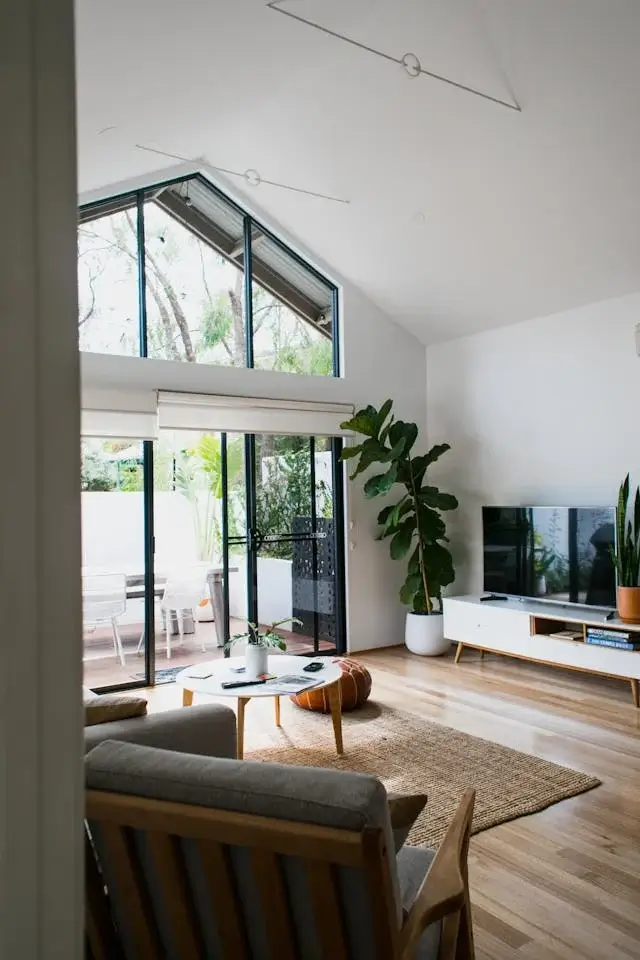
Encapsulation seals the crawl space from ground moisture and outside air. It creates a controlled environment that reduces humidity and protects structural components
It is recommended when there are signs of moisture intrusion, mold growth, or high humidity beneath the home. A professional inspection can determine if encapsulation is beneficial.
When installed properly with durable materials, crawl space encapsulation systems can provide long term protection.
Encapsulation reduces the humidity conditions that allow mold to grow. However, existing mold may need to be addressed separately before sealing.
Yes. Since air from the crawl space can rise into the home, controlling moisture below supports cleaner indoor air.
Professional installation includes proper preparation and debris removal to maintain a clean process.
Most residential encapsulation projects can be completed within one to two days depending on crawl space size and condition.
Controlling humidity beneath the home can improve overall HVAC efficiency and comfort.
In many cases, damaged or moisture affected insulation should be removed and replaced as part of the process.
Air Flow Solutions provides professional inspection, quality materials, and long term moisture control solutions designed to protect your home
📍Advance
📍Anderson
📍Archdale
📍Asheboro
📍Albemarle
📍Arthurtown
📍Badin
📍Belmont
📍Belwood
📍Berea
📍Bessemer City
📍Blythewood
📍Boiling Springs
📍Burlington
📍Burnsville
📍Cameron
📍Capitol View
📍Catawba
📍Cayce
📍Charleston
📍Cherryville
📍Chester
📍China Grove
📍Clemmons
📍Clemson
📍Cleveland
📍Clover
📍Concord
📍Congaree
📍Cornelius
📍Cramerton
📍Dallas
📍Darlington
📍Davidson
📍Dentsville
📍Denver
📍Earl
📍East Bend
📍East Spencer
📍Easley
📍Elon
📍Enochville
📍Fairview
📍Faith
📍Fallston
📍Five Forks
📍Florence
📍Folly Beach
📍Fort Mill
📍Fountain Inn
📍Gantt
📍Gaston
📍Gastonia
📍Gastinia
📍Germanton
📍Gilbert
📍Golden Grove
📍Goose Creek
📍Graham
📍Granite Quarry
📍Greensboro
📍Greenville
📍Greenwood
📍Greer
📍Grover
📍Hanahan
📍Harmony
📍Harrisburg
📍Hartsville
📍Hebmy Bridge
📍Hickory
📍High Point
📍High Shoals
📍Hollywood
📍Hopkins
📍Huntersville
📍India Hook
📍Indian Trail
📍Irmo
📍Isle of Palms
📍James Island
📍Jamestown
📍Johns Island
📍Kannapolis
📍Kernersville
📍Killian
📍Kings Mountain
📍Kingstown
📍Ladson
📍Lake Norman of Catawba
📍Lake Park
📍Lake Wylie
📍Lancaster
📍Landis
📍Lattimore
📍Lawndale
📍Lesslie
📍Lexington
📍Light Oak
📍Lincolnton
📍Locust
📍Love Valley
📍Lowell
📍Lowesville
📍Lugoff
📍Maiden
📍Mallard Creek
📍Marshville
📍Marvin
📍Matthews
📍McAdenville
📍Mebane
📍Midland
📍Mineral Springs
📍Mint Hill
📍Mocksville
📍Moncks Corner
📍Monroe
📍Mooresboro
📍Mooresville
📍Mount Holly
📍Mount Pleasant
📍Mount Ulla
📍Myers Park
📍Newell
📍Newport
📍Newton
📍North Augusta
📍North Charleston
📍Norwood
📍Oak Grove
📍Oak Ridge
📍Oakboro
📍Pageland
📍Patterson Springs
📍Pelion
📍Pfafftown
📍Piedmont
📍Pineville
📍Polkville
📍Pontiac
📍Powdersville
📍Pumpkin Center
📍Quinby
📍Raleigh
📍Ranlo
📍Red Bank
📍Reidsville
📍Richfield
📍Rock Hill
📍Rockwell
📍Rural Hall
📍Salisbury
📍Seven Oaks
📍Shelby
📍Sherrills Ford
📍Simpsonville
📍South Congaree
📍South Gastonia
📍Spencer
📍Spencer Mountain
📍Springdale
📍Stallings
📍Stanfield
📍Stanley
📍Statesville
📍Steele Creek
📍Sumter
📍Sullivan’s Island
📍Summerville
📍Taylors
📍Tega Cay
📍Timmonsville
📍Troutman
📍Unionville
📍Waco
📍Walkertown
📍Waxhaw
📍Weddington
📍Wesley Chapel
📍Westport
📍Whitsett
📍Wingate
📍Winston Salem
📍York
Let us help you breathe easier and enjoy a fresher indoor environment with our professional air duct cleaning solutions.
Subscribe to our newsletter to get our latest updates and news.
Fill out the form below to book an appointment with us