
Homeowners in Charlotte often ask why their energy bills continue rising even after replacing filters and upgrading thermostats. In many cases, the answer is not visible at the surface level. Instead, the issue begins deep inside the duct system. Many houses in the Charlotte area have never had their air ducts cleaned, and over time, dust accumulation narrows internal airflow pathways. When your AC runs all summer in Charlotte, ducts collect more debris than most homeowners realize. This debris does not simply sit harmlessly; it restricts airflow, increases static pressure, and forces HVAC systems to work harder than originally designed.
Restricted airflow can increase energy bills in North Carolina homes by a measurable margin. According to the U.S. Department of Energy, 20 to 30 percent of energy used for heating and cooling may be lost due to airflow inefficiencies and duct leakage. In The Queen City, where cooling seasons extend for months and humidity remains high, systems often operate for long cycles. Dirty vents can affect the performance of your HVAC system by slowing air delivery and increasing blower strain. As a result, indoor air quality problems are common in Charlotte homes that have never addressed duct contamination.
In communities like Huntersville, homeowners frequently report uneven temperatures between rooms. This imbalance often traces back to restricted supply ducts or partially obstructed returns. Similarly, in Waxhaw, larger homes with extended duct runs experience amplified pressure drops when dust buildup accumulates along internal surfaces. Meanwhile, families in Concord often discover that musty odors coincide with prolonged AC operation, particularly during peak summer humidity.
When evaluating airflow, technicians measure static pressure inside the system. Excess static pressure indicates resistance within the duct network. In Greater Charlotte, many systems operate above recommended manufacturer specifications due to internal buildup and aging seals. The International Mechanical Code (IMC), adopted by North Carolina, emphasizes adequate airflow distribution and ventilation effectiveness. While duct cleaning itself is not mandated by code, airflow performance must meet mechanical design requirements. When airflow drops below intended levels, comfort and efficiency suffer simultaneously.
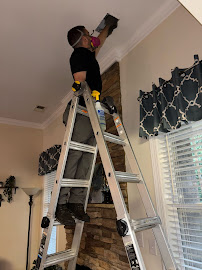
Airflow restriction affects more than comfort. It alters the physics of HVAC operation. When supply ducts narrow due to accumulated dust, the blower motor compensates by increasing workload. Over time, this added strain accelerates motor wear. In The QC, where HVAC systems operate nearly year-round, prolonged stress significantly reduces equipment lifespan.
Dust buildup inside HVAC systems is a frequent issue in Charlotte NC because airborne particles continuously circulate. Pet hair and fine dust often accumulate inside residential duct systems, especially in homes with older insulation materials. As static pressure rises, airflow volume decreases. The system must then run longer cycles to reach target temperatures. Consequently, energy consumption increases even though thermostat settings remain unchanged.
In The Charlotte metro area, many older homes around Charlotte may have outdated ventilation systems that were never recalibrated after renovations. Duct modifications without airflow balancing can create pressure imbalances. According to the North Carolina Residential Code, mechanical systems must ensure proper return air capacity. When return air pathways are insufficient, negative pressure zones develop, drawing attic dust and insulation fibers into the duct network.
Microbial growth further complicates airflow restriction. Mold growth inside ductwork can happen in humid North Carolina weather. Species such as Aspergillus and Cladosporium thrive in environments where dust and moisture combine. When debris accumulates on evaporator coils, biofilm layers may form. These biological films increase airflow resistance and reduce heat exchange efficiency.
Hospitals utilize UV-C light systems to reduce microbial contamination in air handling units. Ultraviolet radiation damages microbial DNA, preventing replication. In residential settings throughout The Charlotte region, UV light installed near coils can reduce biological buildup. Air Flow Solutions installs UV light systems for homeowners seeking to minimize microbial regrowth after professional cleaning.
When professional duct cleaning services help improve airflow efficiency, the effect is measurable. Reduced static pressure allows blowers to operate within manufacturer specifications. Energy consumption stabilizes, airflow balance improves, and HVAC strain decreases. Regular HVAC maintenance includes inspecting the duct system, but cleaning removes accumulated resistance that inspections alone cannot address.
Code compliance is not merely bureaucratic; it protects homeowner safety and efficiency. The North Carolina Residential Code and IMC emphasize adequate ventilation rates and mechanical system integrity. While duct cleaning is not mandated on a fixed schedule, airflow obstruction that compromises ventilation effectiveness may conflict with design expectations.
Indoor air quality problems are common in Charlotte homes partly because HVAC systems operate continuously. When your AC runs all summer in Charlotte, ducts collect more debris, especially in homes with pets or older carpets. Families in Charlotte are concerned about allergens circulating through their vents, particularly when allergy seasons intensify. Clean ductwork supports healthier air circulation throughout the home by reducing the recirculation of trapped particulates.
Energy efficiency benchmarks also tie into compliance. DOE data indicates that inefficient airflow can reduce system performance by up to 30 percent. In The Piedmont hub, where cooling demand is significant, this inefficiency translates directly into higher monthly utility costs. Restricted airflow can increase energy bills in North Carolina homes, especially when combined with duct leakage.
Below is a practical comparison:
After Professional Cleaning | Before Duct Cleaning | Condition |
Reduced airborne particles | Continuous recirculation | Allergen Circulation |
Shorter, efficient cycles | Longer cycles | HVAC Run Time |
Noticeably fresher air | Musty or stale | Odor Levels |
Normal maintenance intervals | More frequent | Filter Replacement Frequency |
Improved efficiency | Higher | Energy Consumption |
From a homeowner perspective in The Charlotte area, maintaining clean ducts is both a performance and compliance strategy. While code inspectors do not routinely open duct systems, mechanical upgrades often require airflow verification. Cleaning supports proper testing outcomes.
Key Insights for Charlotte Homeowners:
Restricted airflow increases mechanical strain and energy loss.
Humid conditions in The Queen City elevate microbial growth risk.
Code standards require adequate airflow performance.
Professional duct cleaning restores airflow closer to design capacity.
UV light can help limit microbial regrowth inside HVAC systems.
DIY Considerations:
Replace filters every 60–90 days.
Monitor humidity levels (ideal range 40–50 percent).
Check for uneven airflow between rooms.
Schedule professional inspections for static pressure testing.
Airflow restriction is not simply an inconvenience. It is a mechanical inefficiency that compounds over time. In The Carolinas’ largest city, where HVAC systems operate extensively, maintaining duct cleanliness aligns energy efficiency, indoor air quality, and long term compliance.

(843) 864-4649
Let us help you breathe easier and enjoy a fresher indoor environment with our professional air duct cleaning solutions.
Subscribe to our newsletter to get our latest updates and news.
Fill out the form below to book an appointment with us